
Mastering the Slow Cooked Barbecue: A Guide to Perfect Flavor and Tenderness

Barbecue is more than just cooking meat outdoors. It’s an art form that requires patience, skill, and the right technique. One of the best ways to get mouthwatering, tender, and flavorful barbecue is by mastering the slow cooked barbecue method. This technique involves cooking meat at low temperatures for an extended period. It breaks down tough fibers and infuses smoky flavors that you just can’t get with quick grilling.
In this post, I’ll walk you through everything you need to know about slow cooked barbecue. From the basics to the best cuts of meat, and tips for success, you’ll be ready to impress at your next cookout or event.
Why Choose Slow Cooked Barbecue?
Slow cooked barbecue is all about patience and control. When you cook meat slowly at low temperatures, you allow the connective tissues to melt away. This results in tender, juicy meat that falls apart easily. The slow process also gives smoke time to penetrate deeply, adding rich flavor.
Here are some key benefits of slow cooked barbecue:
Tenderness: Tough cuts become soft and easy to chew.
Flavor: Smoke and seasoning fully develop.
Juiciness: Meat retains moisture better.
Versatility: Works well with many types of meat.
If you want barbecue that melts in your mouth and tastes like it was made by a pro, slow cooking is the way to go.

How to Master Slow Cooked Barbecue
Mastering slow cooked barbecue takes practice, but the basics are simple. Here’s a step-by-step guide to get you started:
Choose the Right Equipment
Use a smoker, charcoal grill with a lid, or a pellet grill. These allow you to control temperature and add smoke.
Set a Low Temperature
Aim for 225°F to 275°F. This range is perfect for breaking down tough meat fibers without drying out the meat.
Prepare Your Meat
Trim excess fat but leave some for flavor. Apply a dry rub or marinade to enhance taste.
Maintain Consistent Heat
Keep your grill or smoker steady. Avoid opening the lid too often, as this lets heat and smoke escape.
Add Wood Chips for Smoke
Use hardwoods like hickory, oak, or applewood. Soak chips in water before adding to the fire for slow, steady smoke.
Monitor Internal Temperature
Use a meat thermometer to check doneness. Different meats have different target temps.
Rest the Meat
After cooking, let the meat rest for 15-30 minutes. This helps juices redistribute for better flavor.
By following these steps, you’ll get consistent, delicious results every time.
What to Barbecue Low and Slow?
Certain cuts of meat are perfect for slow cooking because they have more connective tissue and fat. These cuts become tender and flavorful when cooked low and slow. Here are some favorites:
Pork Shoulder (Boston Butt): Ideal for pulled pork. It’s fatty and tough but becomes tender after hours of slow cooking.
Beef Brisket: A classic barbecue cut. It needs long cooking to break down collagen and become juicy.
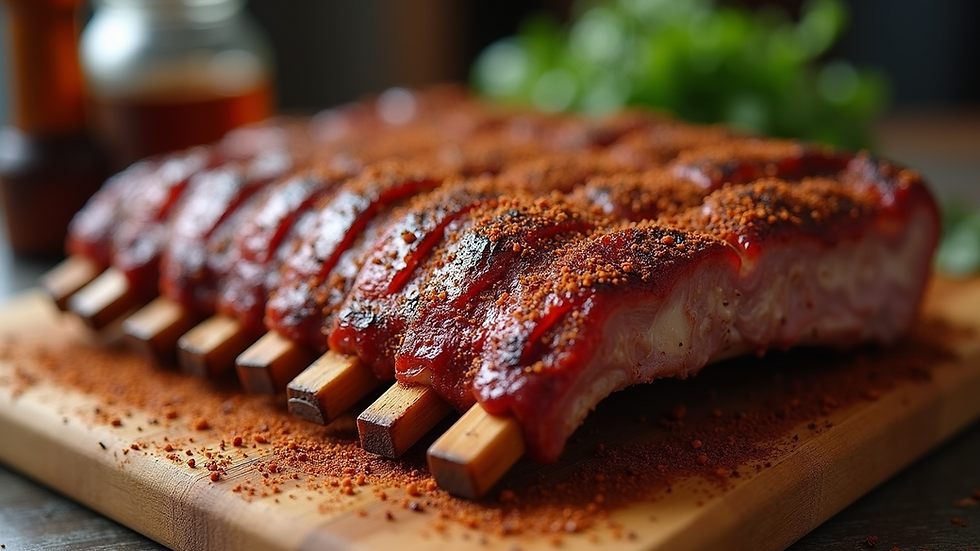
Ribs (Pork or Beef): Slow cooking makes ribs tender and smoky.
Whole Chicken or Turkey: Slow cooking keeps poultry moist and flavorful.
Sausages: Benefit from slow cooking to develop flavor without drying out.
Avoid lean cuts like tenderloin or sirloin for slow cooking. They cook quickly and can dry out.

Tips for Perfect Slow Cooked Barbecue Every Time
Getting slow cooked barbecue right takes attention to detail. Here are some tips I’ve learned that make a big difference:
Use a Water Pan: Placing a pan of water in your smoker adds moisture and helps regulate temperature.
Don’t Rush the Process: Resist the urge to increase heat. Patience is key.
Wrap Meat in Foil or Butcher Paper: This helps retain moisture during the final cooking phase.
Keep a Spray Bottle Handy: Spritz meat with apple juice or vinegar to keep it moist.
Use a Reliable Thermometer: Digital probes with alarms help you monitor without opening the lid.
Rest Before Serving: Always let meat rest to lock in juices.
These small steps improve texture and flavor dramatically.
Bringing Slow Cooked Barbecue to Your Events
If you’re planning a party, corporate event, or community gathering, slow cooked barbecue is a crowd-pleaser. It’s hearty, flavorful, and perfect for feeding groups. Here’s how to make it work for your event:
Plan Ahead: Slow cooking takes hours. Start early to ensure food is ready on time.
Choose the Right Menu: Offer a variety of meats and sides to satisfy all tastes.
Consider Catering or Food Trucks: Local barbecue experts can bring authentic slow cooked barbecue to your event without the hassle.
Keep Food Warm Safely: Use warming trays or insulated containers to serve hot food.
Provide Serving Stations: Make it easy for guests to serve themselves with sauces and sides.
Slow cooked barbecue creates a relaxed, festive atmosphere that guests love.
Mastering the low and slow barbecue technique is a rewarding journey. It takes time and care, but the results are worth every minute. Whether you’re cooking for family, friends, or a big event, slow cooked barbecue delivers unbeatable flavor and tenderness. With the right tools, cuts of meat, and patience, you’ll be serving up authentic barbecue that keeps everyone coming back for more.

Comments